A very human mission
When they were on the far side of the Moon, what did they see? What did they think? What did they feel?
Breathtaking and never before seen sights of our natural satellite, several human spaceflight records, surface features named after loved ones, and a broken toilet were some of the highlights of the Artemis II mission, marking humans return to the Moon in the 21st century.
Why there? Why again? Haven’t we sent enough probes and rovers and satellites already? What can a Nikon D5 or an iPhone teach us that state-of-the-art cameras and telescopes can’t? When following the live broadcast of the mission, I couldn’t help but notice the significance that the science team assigned to the human element.
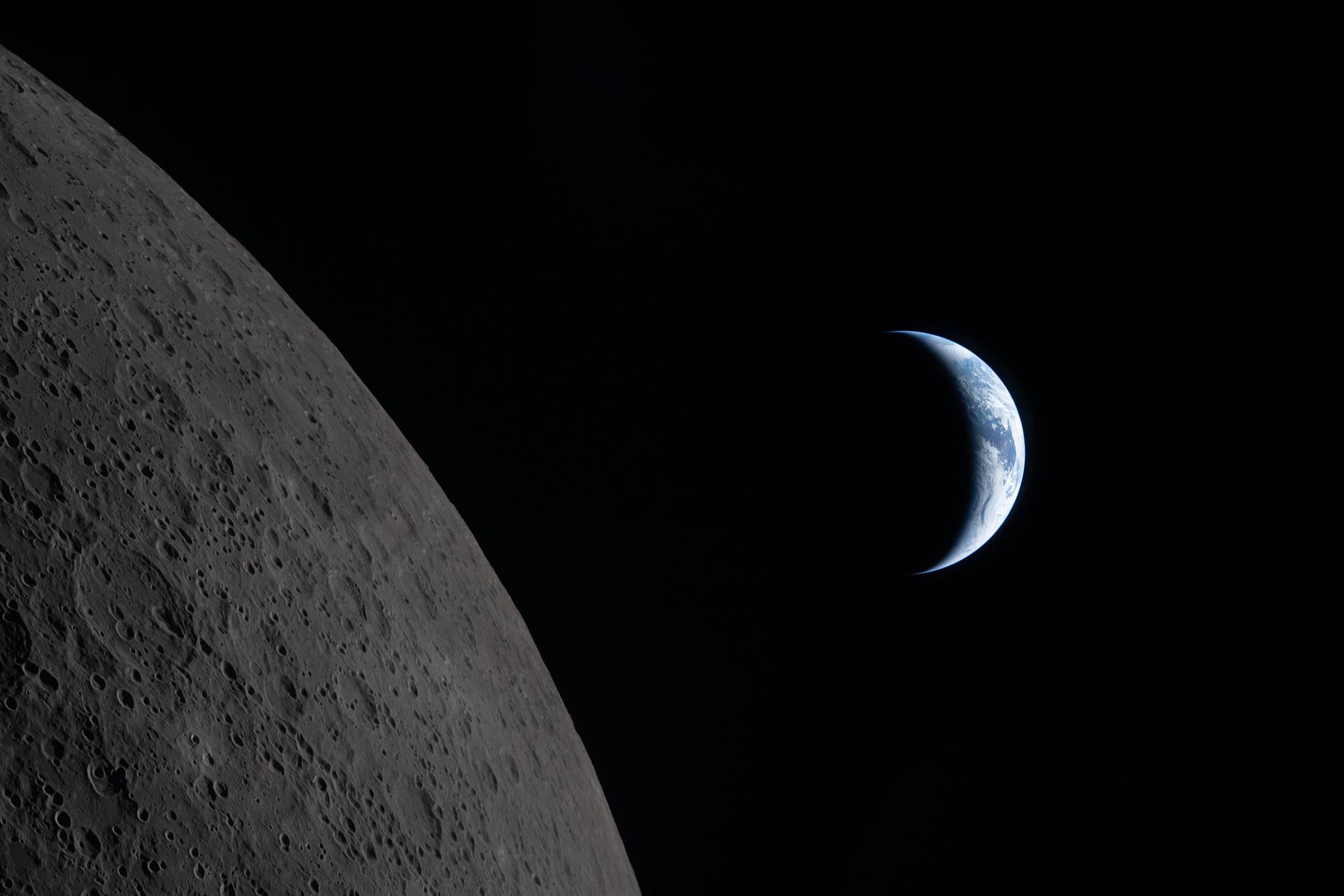
Cameras are not enough. Scientists valued each of the crew’s descriptions of their observations, of the moments their eyes were better than any camera to capture subtle flashes of light, changes in color and lighting conditions. They had assigned time for discussion so the crew could share their observations and perspectives with each other. They didn’t just want to learn about the Moon, but also how humans perceive it. What are they able to see? Impact flashes on the far side? The zodiacal light or the solar corona when the sun was eclipsed? How about variations in color or texture in the terrain? Believe it or not, sometimes a thousand words can speak more than a picture.
And of course, the photographs. The astronauts trained to know how and when to take pictures of the Moon. The pictures are not only full of scientific insights, they are charged with artistic intention. The timing, angle, lighting was ultimately chosen in the moment by a human who was there to see it with their own eyes.
Why there? Why again? Haven’t we taken enough photos already? We never get tired of watching and photographing sunsets and rainbows and flowers. May we never get bored of visiting and photographing our Moon.